
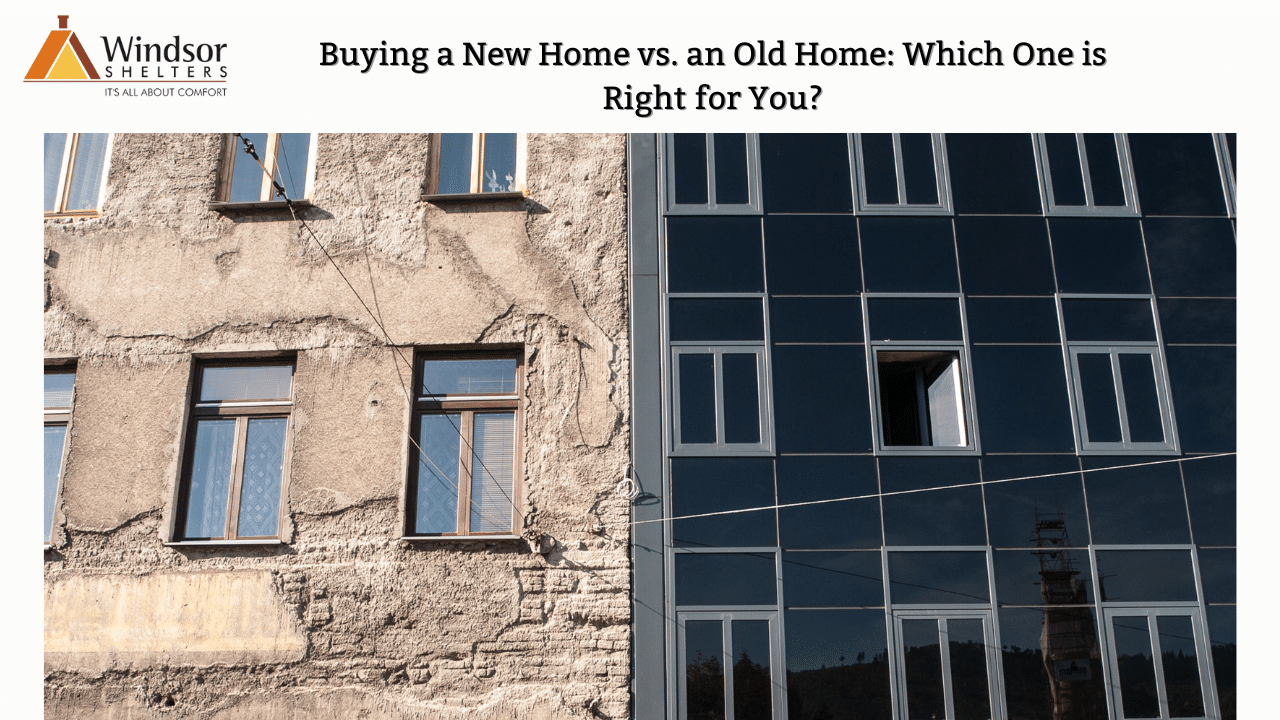
Buying a New Home vs. an Old Home: Which One is Right for You?

Buying a home is one of the most significant financial decisions you’ll ever make. Whether you’re a first-time buyer or upgrading to a larger space, the choice between a brand-new home and an older resale property can be challenging. Each option comes with unique advantages and drawbacks, so understanding them can help you make an informed decision based on your lifestyle, preferences, and budget.
Advantages of Buying a New Home
- Modern Features and Design
New homes are designed with contemporary layouts, open floor plans, and the latest technology. They often include smart home features, energy-efficient appliances, and updated safety measures. - Low Maintenance and Fewer Repairs
Since new homes come with brand-new plumbing, electrical systems, roofing, and appliances, you are less likely to face expensive repairs for years. - Personalization and Customization
Many developers offer customization options, allowing you to select finishes, flooring, cabinetry, and even layout preferences before construction is completed. - Energy Efficiency
Built with modern energy codes, new homes feature better insulation, high-performance windows, and energy-efficient appliances, resulting in lower utility bills. - Builder Warranties
New homes often come with warranties that cover major structural components and appliances, providing peace of mind and financial protection.
Disadvantages of Buying a New Home
- Higher Initial Cost
New homes usually have a higher price tag compared to older homes of similar size and location. - Lack of Character and Mature Landscaping
Unlike older homes that often feature unique architectural details and established neighborhoods, new homes may feel uniform, and the landscaping may take years to mature. - Potential Construction Delays
If you are purchasing a home that is still under construction, unforeseen delays due to weather, labor shortages, or supply chain issues could extend your move-in date.
Advantages of Buying an Older Home
- Lower Purchase Price
Older homes are often more affordable per square foot compared to newly built homes, making them a cost-effective option. - More Space and Larger Lots
Many older homes come with larger lot sizes, offering more yard space, mature trees, and greater privacy. - Established Neighborhoods
Older homes are often located in well-developed communities with nearby schools, parks, shopping centers, and public transport options. - Unique Architecture and Charm
Older homes frequently feature distinctive architectural details such as hardwood floors, crown molding, and handcrafted woodwork, adding character and warmth. - Negotiation Flexibility
Sellers of older homes may be more willing to negotiate on price, repairs, or covering closing costs compared to builders of new homes.
Disadvantages of Buying an Older Home
- Higher Maintenance and Repair Costs
Aging plumbing, electrical systems, roofs, and foundations may require costly repairs or replacements. - Lower Energy Efficiency
Older homes often lack modern insulation and energy-efficient systems, leading to higher utility bills. - Outdated Layouts and Features
Some older homes may have small rooms, fewer bathrooms, and outdated kitchens that require remodeling. - Potential Hidden Issues
Older homes may have underlying structural problems, water damage, or pest infestations that aren’t immediately visible and could lead to expensive fixes.
How to Decide?
When choosing between a new and an old home, consider the following factors:
- Budget: If affordability is a priority, an older home may be a better option. If you can invest more upfront for fewer future repairs, a new home might be ideal.
- Maintenance Willingness: Are you comfortable with ongoing repairs and renovations, or do you prefer a low-maintenance, move-in-ready home?
- Location Preferences: Established neighborhoods often offer better convenience, while new developments provide modern amenities and infrastructure.
- Personal Style: Do you appreciate the charm and uniqueness of vintage homes, or do you prefer sleek, modern designs?
Final Thoughts
Both new and old homes offer distinct advantages, and the right choice depends on your personal priorities and lifestyle needs. If you value modern conveniences, energy efficiency, and minimal maintenance, a new home may be the best option. However, if you love architectural character, established neighborhoods, and larger lot sizes, an older home could be a perfect fit.
Before making a decision, visit multiple properties, assess your financial situation, and consult with a trusted real estate professional to ensure you make the best investment for your future. Happy house hunting!

